
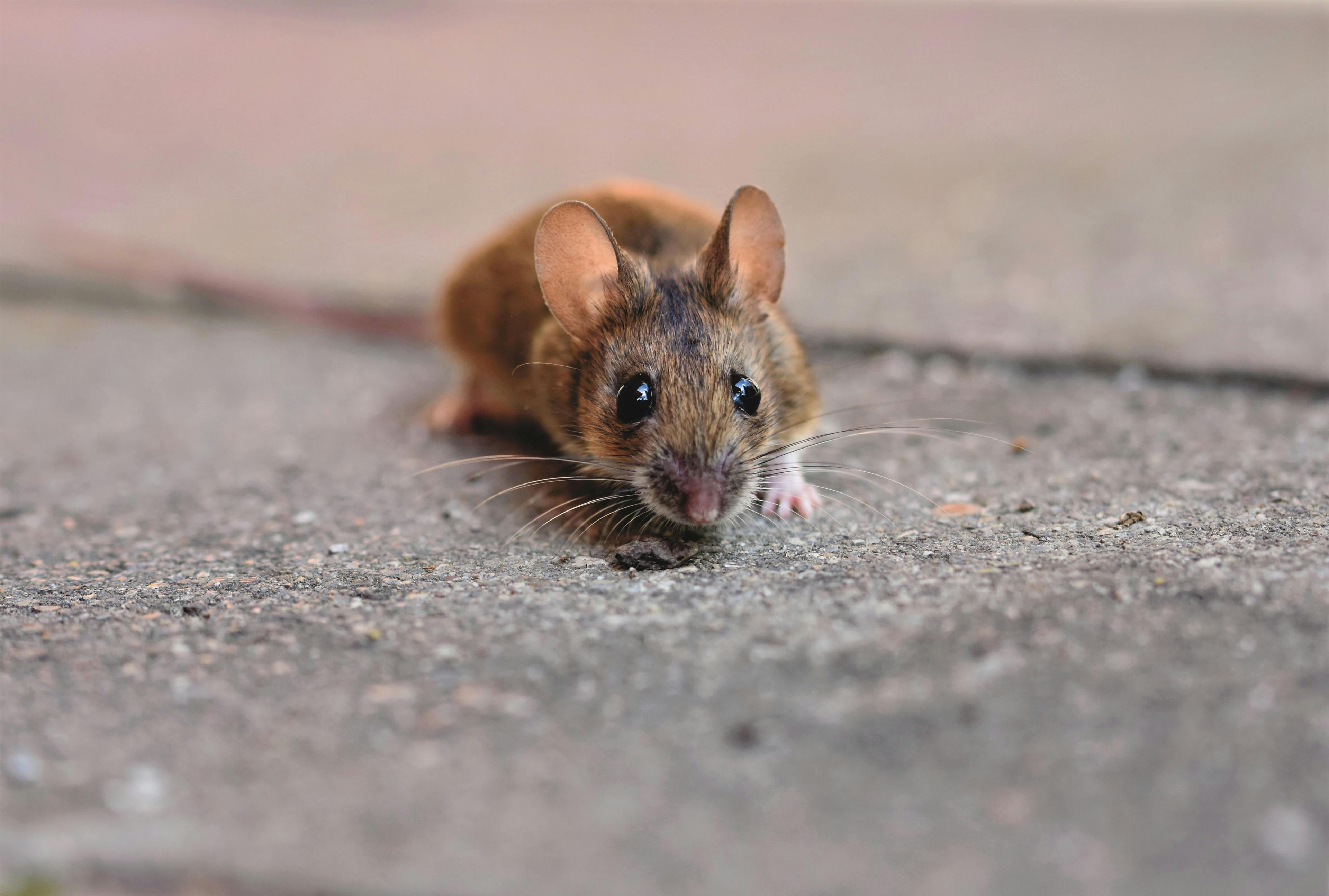
Mice often stay out of sight, so the first warning is usually evidence rather than a live animal. Check quiet edges of kitchens, garages, storage rooms, utility areas, attics and crawl spaces. A combination of fresh droppings, damaged food packaging, gnaw marks or repeated sounds is more useful than any single clue.
If you find fresh evidence indoors, document where it appears, avoid sweeping or vacuuming dry droppings, and look for the food, water and entry conditions supporting the activity.
1. Small, dark droppings along travel routes
Mouse droppings are commonly found near walls, inside lower cabinets, behind appliances and close to stored food. Their location matters: a concentrated group can point to a feeding or nesting area, while scattered droppings may trace a travel route.
Do not use colour alone to decide whether evidence is new. Note the exact location, take a photo, and check whether more appears after the area has been cleaned according to public-health guidance.
2. Gnaw marks or damaged packaging
Look for chewed corners on cereal, pet food and seed bags, as well as marks on cardboard, soft wood or plastic. Food stored in thin bags or boxes is easier to reach than food kept in sealed, durable containers.
Gnawing can also occur on building materials. If wiring appears damaged, avoid touching the area and arrange an appropriate electrical assessment as well as pest inspection.
3. Scratching or movement after the house is quiet
Light scratching, scurrying or chewing sounds may be heard in walls, ceilings, attics or beneath floors. Record the time and room where you hear it. That pattern can help narrow the inspection area, but sound can travel through a building, so it does not prove the nest is directly behind that surface.
4. Shredded nesting material
Mice can use paper, fabric, insulation and other soft material for nesting. Check rarely moved boxes, the backs of drawers, stored seasonal items and protected corners near a heat source. Disturbed insulation or an unusual collection of shredded material deserves a closer look.
5. Rub marks, tracks or a repeated path
Rodents tend to move along protected edges rather than across open rooms. Dusty tracks, smudges near a gap, or repeated evidence beside a wall can identify a route. Avoid spreading tracking powders or unlabelled products; a visual record is enough to help an inspector start.
6. Food, water and shelter that keep activity going
An open pet-food bag, spilled birdseed, accessible garbage, plumbing leak or cluttered storage area can support rodent activity. Correcting these conditions is part of control, not an optional extra after trapping.
- Move dry food and pet food into sealed containers.
- Clean crumbs and spills, including beneath appliances.
- Repair leaks and remove standing water where practical.
- Reduce undisturbed cardboard and clutter near walls.
7. Gaps around doors, pipes, vents and the foundation
Check worn door sweeps, utility penetrations, vents, siding transitions and cracks at the foundation. A useful inspection connects the indoor evidence to likely access points; sealing randomly without understanding active routes can leave the underlying problem unresolved.
How to respond to droppings more safely
Health Canada and HealthLink BC advise against sweeping or vacuuming dry rodent droppings because that can stir contaminated material into the air. Keep people and pets away from the area and follow current public-health directions for ventilation, protective equipment, wet disinfection and disposal.
A large amount of contamination, evidence in ventilation systems, or a space that cannot be accessed safely calls for professional advice before cleanup begins.
What a professional mouse inspection should clarify
The goal is not simply to place a trap. An assessment should distinguish current from older evidence, identify likely species and travel routes, review food and water sources, and examine realistic entry points. The proposed scope should explain monitoring, control, exclusion, preparation and follow-up separately so you know what is included.
Related EnviroGreen resources
Frequently asked questions
Does one mouse dropping mean there is an infestation?
One item is not enough to determine the size or age of a problem. Record the location, clean it using current public-health guidance, and monitor for new evidence. Multiple fresh signs or repeated activity should be assessed promptly.
Should I seal every gap as soon as I find mice?
Entry correction is important, but the active routes and indoor activity should be understood first. A coordinated plan helps avoid incomplete sealing and makes it easier to monitor whether the control work is succeeding.
Sources and further reading